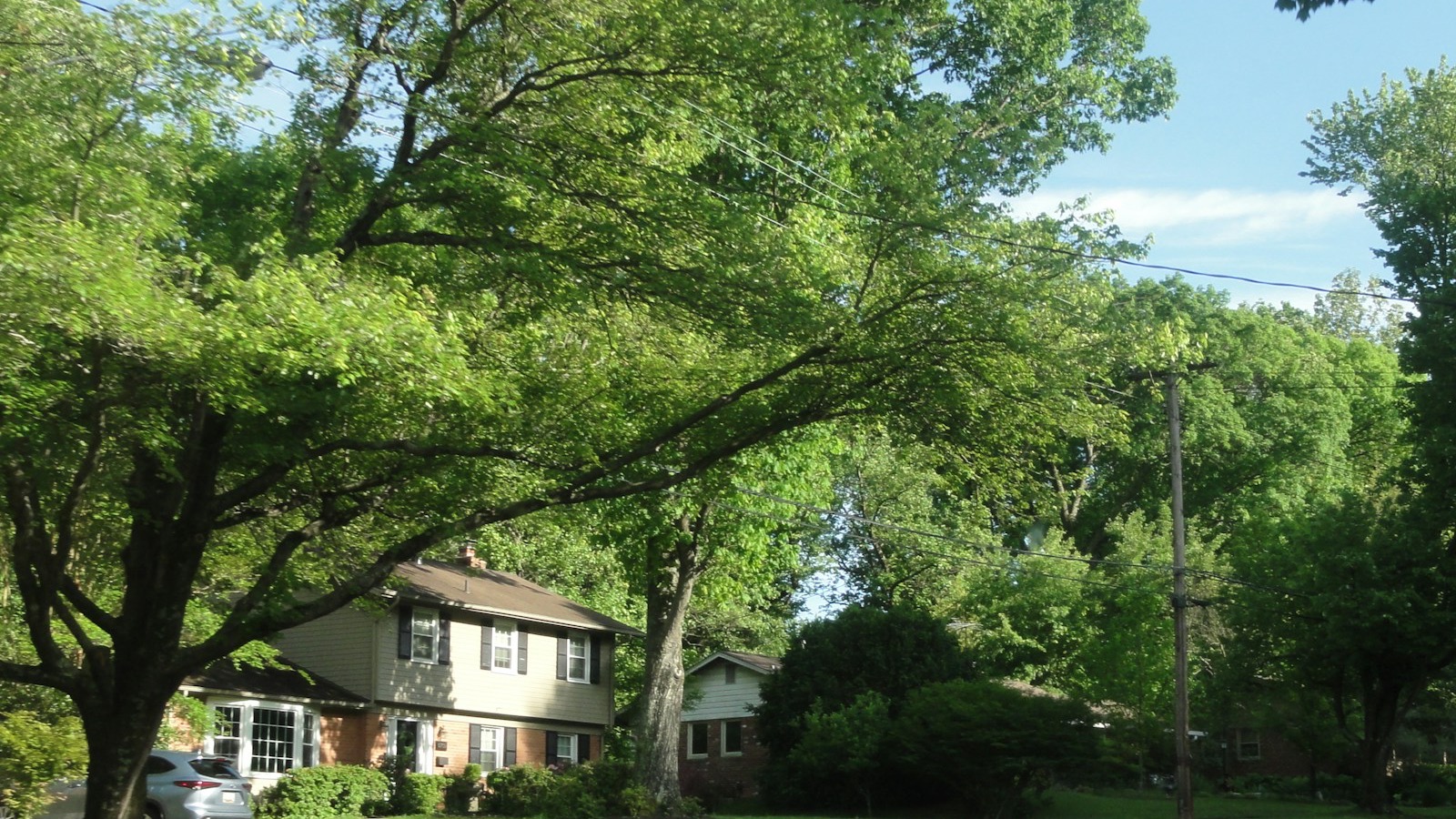
Burns Park is one of Ann Arbor's densest pre-1978 neighborhoods — roughly 92% of the housing stock predates the 1978 lead-paint ban. That's not a problem on its own (lead paint encapsulated under a century of subsequent layers is generally inert), but the moment a contractor disturbs that paint during a renovation, federal law steps in.
What triggers RRP
EPA's Renovation, Repair, and Painting rule (40 CFR Part 745 Subpart E) applies when a renovation in pre-1978 housing disturbs more than 6 square feet of interior painted surface or 20 square feet of exterior. Window replacement and demolition trigger the rule regardless of square footage. In a Burns Park kitchen remodel, you'll cross the 6 sq ft interior threshold before lunch on day one.
What your contractor has to do
Three things, none of which are optional:
- Be (or hire) an EPA Lead-Safe Certified Firm. The firm credential covers the company; an EPA Certified Renovator is additionally required as the named individual on the job.
- Deliver the EPA "Renovate Right" pamphlet to you (the occupant) before work starts, and collect your signed acknowledgment.
- Use lead-safe work practices — containment, no open-flame burning, no power-washing exterior paint, no high-speed sanding without a HEPA shroud — and verify cleanup with the EPA cleaning verification card test before declaring the work area safe.
What it costs
If your contractor has the firm certification, RRP compliance is baked into their hourly rate (effectively $30–80 per labor hour added to the renovation cost over a typical project). If they don't, they need to subcontract the lead-impact piece to a certified firm. ECT does that work for $550 per day in Washtenaw, Wayne, Jackson, Lenawee, and Ingham counties. A day covers up to 5 hours of on-site monitoring plus a 1-hour grace window; jobs over 6 hours bill an additional day at the same $550 flat rate.
What you get to keep
After job completion, the certified firm gives you (and your contractor) a compliance packet within 24 hours: signed Renovate Right acknowledgment, certified-renovator credentials, containment + cleanup photos, and the cleaning verification card. Federal recordkeeping minimum is 3 years; ECT keeps your packet accessible for 39 months — the federal floor plus a 90-day grace window.
What happens if your contractor skips it
EPA civil penalties run up to $47,357 per violation per day under TSCA § 16. The penalty falls on the certified firm (if there is one) AND on the GC who hired an uncertified subcontractor. Common violations: failing to deliver the pamphlet, using prohibited practices, skipping cleaning verification.
If you're in Burns Park (48104), Old West Side (48103), Lower Town (48105), or anywhere else in Ann Arbor with mostly pre-1978 housing, the rule applies — there are no Ann Arbor-specific exemptions.
Where to read more
The full Michigan picture, including PA 434 (the Michigan-specific landlord-side liability vector) is on our Michigan Lead Law page. The Washtenaw-County-specific enforcement reality is at /lead-law/washtenaw-county.
Hiring a contractor for a pre-1978 renovation? Send them this post and ask whether they're running the lead-impact piece themselves or subcontracting it. Either answer is fine — but the answer needs to be one of those two.